
Talk about finance at feasibility, before you apply for consent.
Most developers come to a lender when they need the money. By then the deal is fixed, the land is bought, and the capital structure is whatever the numbers happened to produce.
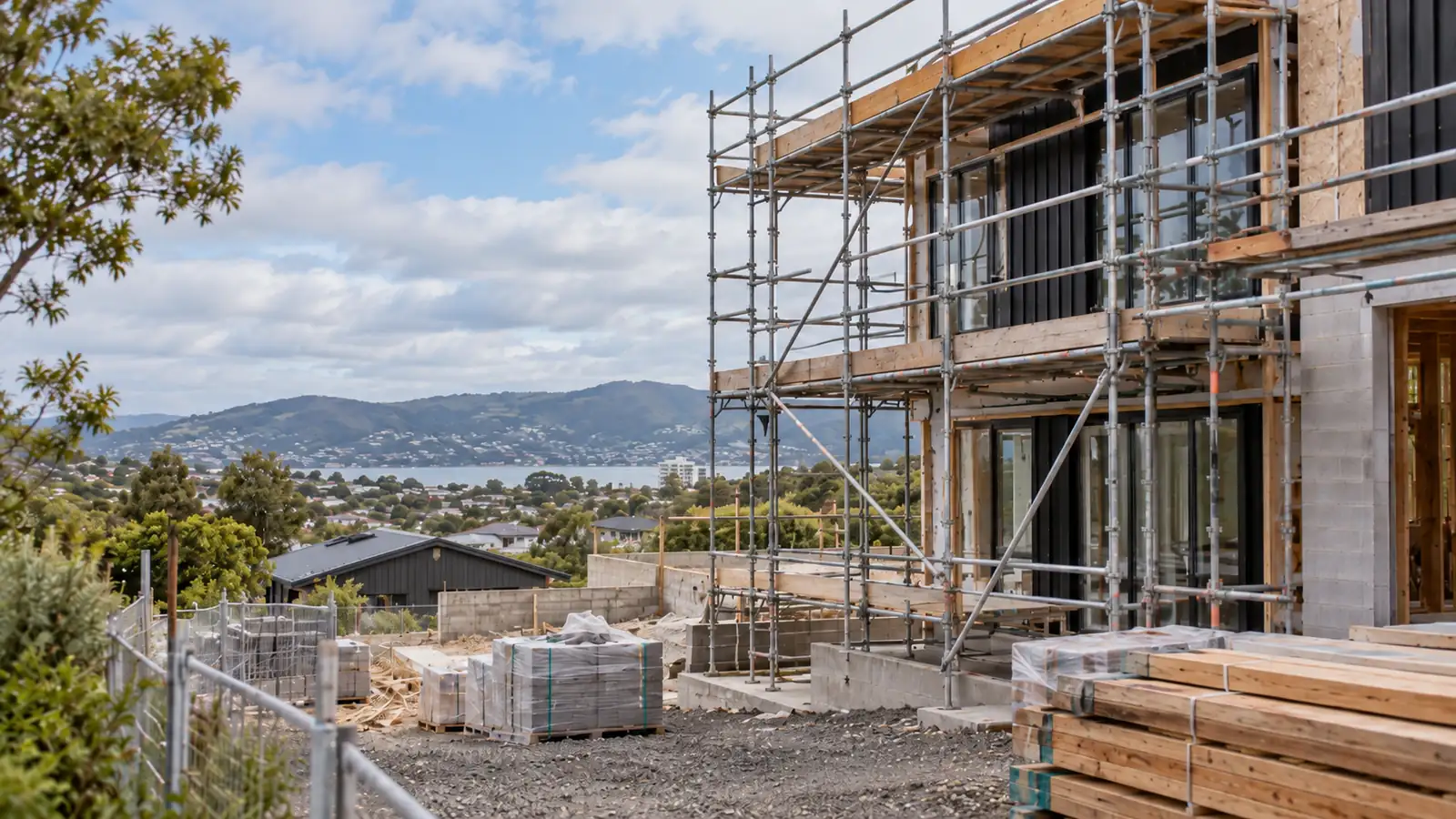
The lender then prices the deal that exists rather than the deal that could have existed. Presale requirements land as a surprise. The equity contribution is larger than expected. The drawdown schedule does not match the build programme, and the project carries an interest cost it did not need to. None of that is a financing problem. It is a sequencing problem, and it is fixable at feasibility for nothing.
What decides whether a project gets funded
Presales
The threshold varies by lender, by segment, and by point in the cycle. It is the single most common reason a development stalls. Qualifying presales are not the same as sales. Deposit levels, unconditional status, purchaser profile, and the proportion of sales to a single buyer all affect whether a lender counts them.
Equity, and where it sits
Lenders count the equity you can prove today. Land purchased at a favourable price two years ago may be revalued for the purposes of the facility, and the equity you thought you had may be smaller than the balance sheet suggests. The order in which land, equity, and debt are arranged materially affects the outcome.
The quantity surveyor (QS) and the programme
A quantity surveyor's report is not a formality. It is the document the lender's credit team relies on, and a weak or optimistic report will kill a good project. Contingency, escalation allowances, the credibility of the build programme, and the track record of the contractor all sit inside it.
Your track record, and the honest version of it
Lenders assess the sponsor as much as the project. A first development is fundable, at a cost, with the right structure and often with the right people around you. If this is your first, we will tell you what that costs and what would reduce it.
The capital stack
- Senior debt: the main bank loan. It usually covers most of the cost and holds first mortgage over the site, so it gets repaid first. It's the cheapest money but comes with the strictest conditions, such as presale targets, quantity surveyor (QS) sign-offs and drawdown rules.
- Mezzanine finance: a second loan that sits behind the senior debt. It fills the gap between what the bank will lend and what the developer can put in. It's repaid after the bank, so it carries more risk and costs a lot more, often in the mid-teens percent or higher. Use it well and the developer puts in less of their own cash. Use it badly and it eats the profit.
- Equity: the developer's own money. It takes the first loss and gets the profit left over at the end.
Example: on a $10m project, the bank lends $6.5m (senior), a mezzanine lender adds $1.5m, and the developer puts in $2m (equity).
The mezzanine decision is one of the most consequential in a development, and it is frequently made under time pressure at the point where the senior lender's requirement lands. That is the worst possible moment to make it. We model the stack at feasibility so the mezzanine question, if it arises, is answered before it is urgent.
Drawdown, and the cost of getting it wrong
Interest accrues on drawn funds. A drawdown schedule that runs ahead of the build programme costs real money across a two-year project. It also runs the other way: a schedule that lags the programme leaves subcontractors unpaid and the build stalled. Drawdown is negotiated. Most developers accept the lender's default schedule because it arrives with the offer and looks like a term rather than a proposal. It is a proposal.
Where lenders are keen to lend right now
Development finance conditions have shifted materially since 2022. Bank appetite tightened, then partially returned, and has not returned evenly. Non-bank and specialist funders expanded into segments the banks vacated, at a price. Regional appetite diverged from Auckland and Wellington. We know where the appetite is now. Not last year.
What we do
- We engage at feasibility. Before the land is bought where possible.
- We model the stack before we approach anyone. Senior, mezzanine if required, equity, and what each layer costs across the full programme.
- We take it to the right lender first. A declined development application is expensive in time, and time is the only thing a development cannot buy back.
- We work with your QS, accountant, and lawyer. Not around them.
- We manage drawdown as an active process. Not a schedule you signed and forgot.
Common questions.
What do lenders need to see for development finance?
Usually a feasibility study, plans, costings, a quantity surveyor's report, your development experience and details of any presales. The stronger the information, the smoother the credit process.
What are presales and why do they matter?
Presales are units sold before construction starts. Many lenders require a set level of presales before they will fund a project. The level varies between lenders and changes over time.
What is mezzanine finance?
Mezzanine finance sits between the main lender's loan and your own equity. It can reduce the equity you need to put in, but it costs more because the lender takes more risk.
How early should I talk to you?
Before you buy the land or lock in the build contract. Early lending advice can shape how the project is set up and which lenders will consider it.
What clients say about working with Carl.
Carl was an absolute pleasure to work with. His knowledge, professionalism and prompt communication gave us confidence throughout our first home purchase. He secured us an excellent deal with Westpac and made the entire process seamless. We highly recommend Carl to anyone looking for a mortgage broker.
Three of us, all self employed, wanted to get a home loan for a shared house. Without the expertise, help and the precise instructions to fill in the various documents or organise specific items we would not have had a chance to get the mortgage over the finish line. Carl was extraordinarily helpful and always found a way to continue this not so easy application. I can highly recommend Carl. Very grateful for his assistance.
Carl was fantastic to work with. Our mortgage application was not straightforward as we were multiple people, all self employed with new businesses. We had tried using other brokers but they weren't able to get our approval across the line. Carl was tenacious with the banks, and had so much knowledge he was able to guide us through all the information we required and how to present it. After a difficult process he was able to secure us a mortgage with very favourable terms. I couldn't recommend him enough, the effort and work he puts in is second to none!
Carl Mann is a fantastic mortgage broker. He is knowledgeable, professional, and has excellent communication. Carl kept us updated along the way and provided sound advice. I would definitely recommend Carl to anyone needing assistance with mortgage finance or refinancing.
Carl helped us work through the finance for our next investment property without losing sight of our existing lending. He understood what we were trying to build over the longer term and worked through the different options with us before we made an offer. That preparation made the purchase much smoother.
Development finance was very different from arranging a normal mortgage. Carl understood the feasibility, valuations, build costs and timing the lender needed to see, and helped us get everything organised before it went to credit. Having someone who understood the development side of the deal saved a lot of back and forth.
We were purchasing premises for our business and needed someone who could look at both the property and the strength of the business behind it. Carl worked through the numbers with us, explained what the lenders would focus on and helped structure the application properly from the start.
Bring us the project.
Feasibility, concept plans, land position, and your honest view of the programme. That is enough for a first conversation. If the project does not stack up, you will hear that first, and you will hear why.
Every conversation is confidential.
Book a conversation